What you'll discover
Exploring the Accuracy of the Bible
(In person Guided Tour at the Louvre – Language of the tour : English)
Ref: LT01 (English).
Through the centuries, the Bible has endured extraordinary challenges—time, criticism, attempts to alter its message, and repeated accusations of historical inaccuracy. Yet the text itself has continued to invite examination.
Today, archaeology offers new opportunities to explore the world in which the Biblical narrative unfolded. Many of the civilizations mentioned in its pages—once known only from ancient texts—have gradually re-emerged through archaeological discoveries.
During this visit, we will examine several artifacts preserved in the Louvre Museum and consider what they reveal when placed alongside the Biblical account.
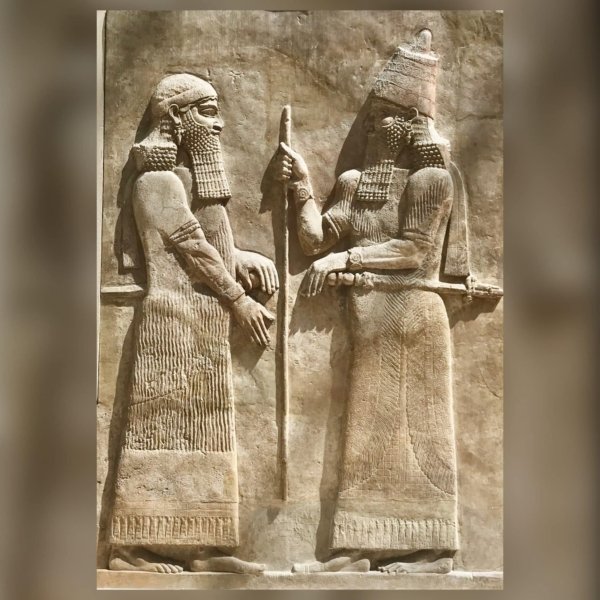
“Exploring the Accuracy of the Bible” guided tour focuses on discoveries connected with major ancient powers, including the empires of Akkad, Assyria, as well as the Kingdom of Moab and the Medo-Persian Empire, spanning roughly from the third to the fifth century BCE.
What can the remains of the Akkadian Empire—the earliest known empire of Mesopotamia—tell us about the historical setting described in the Bible?
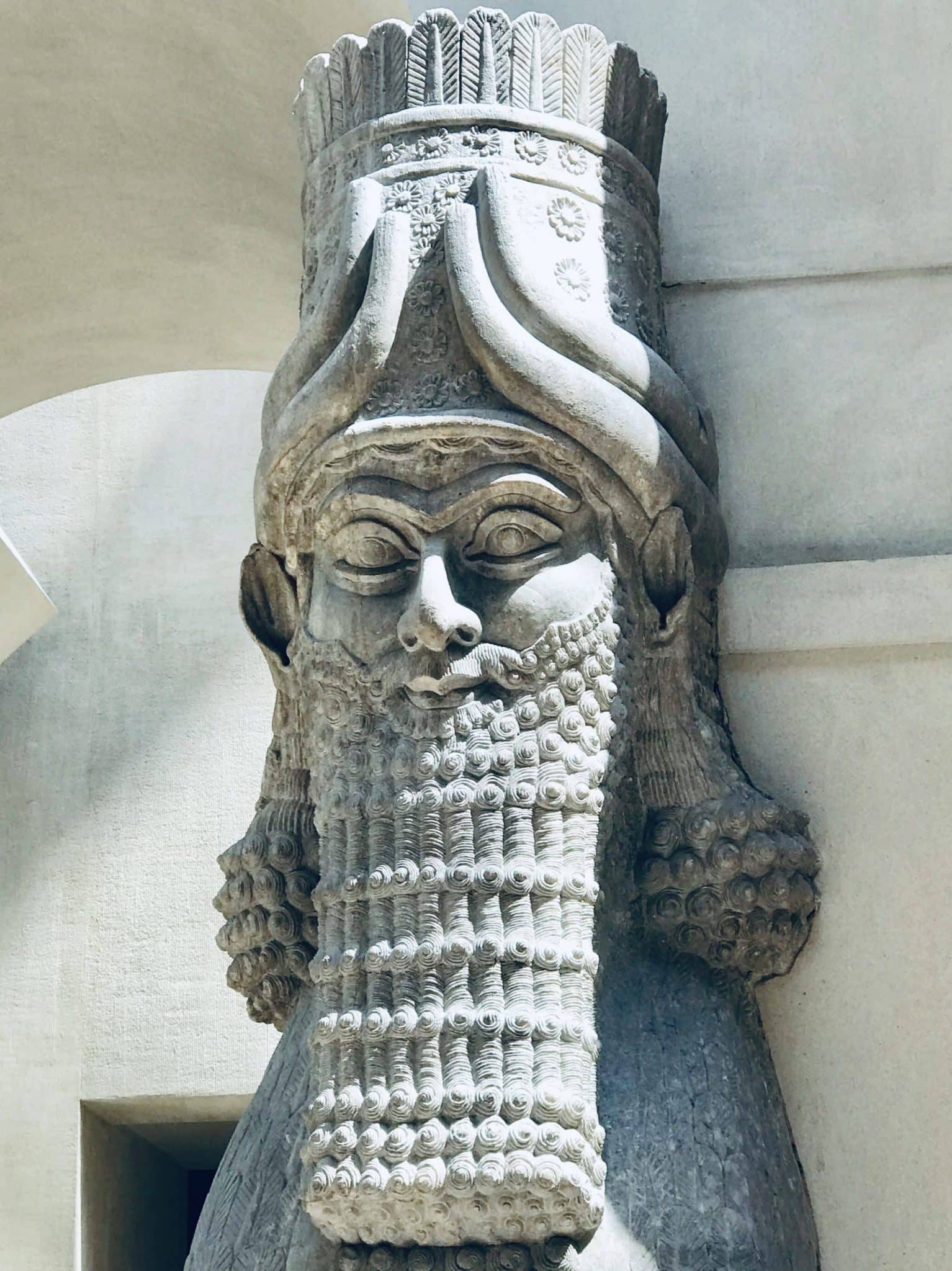
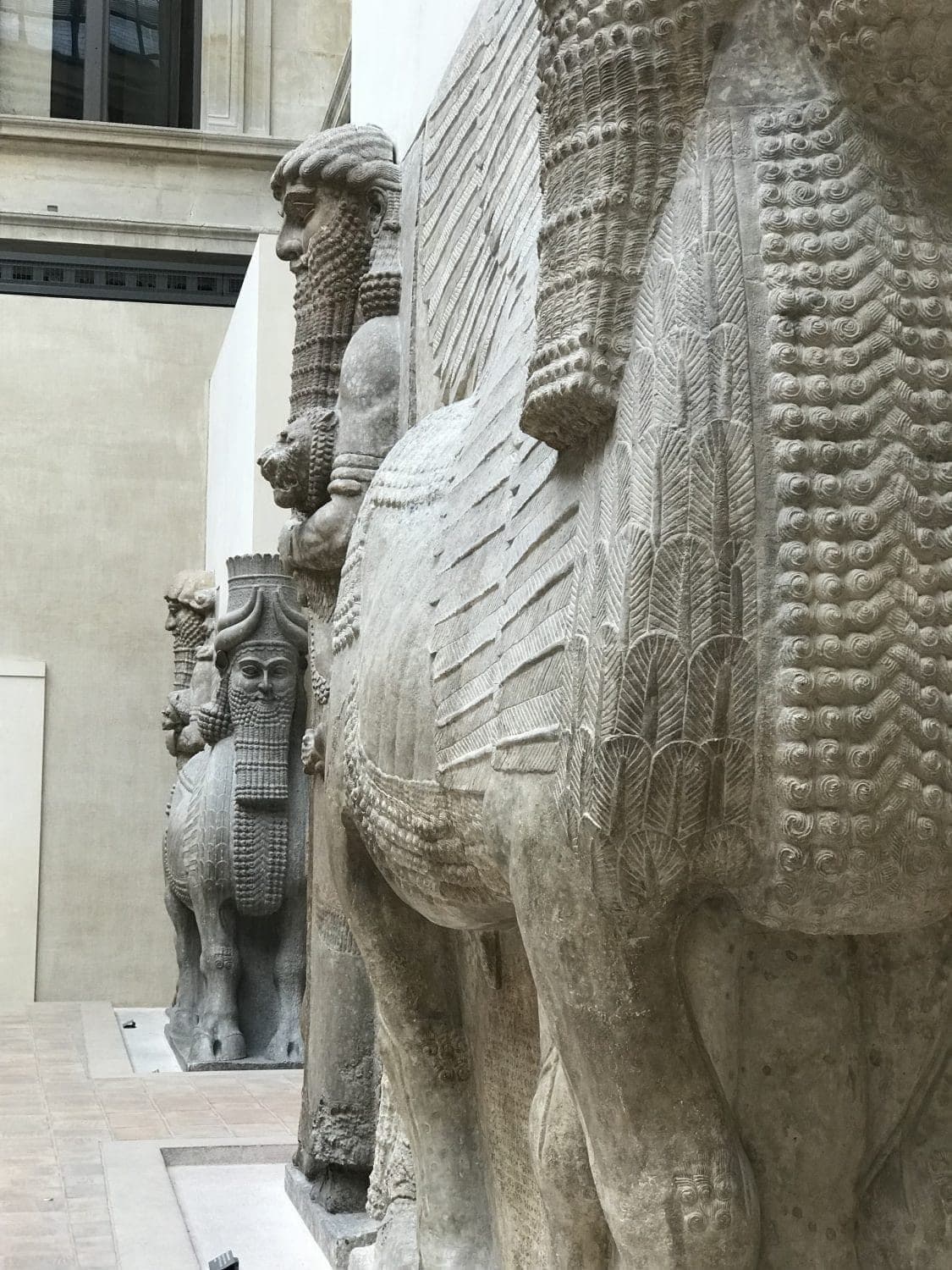
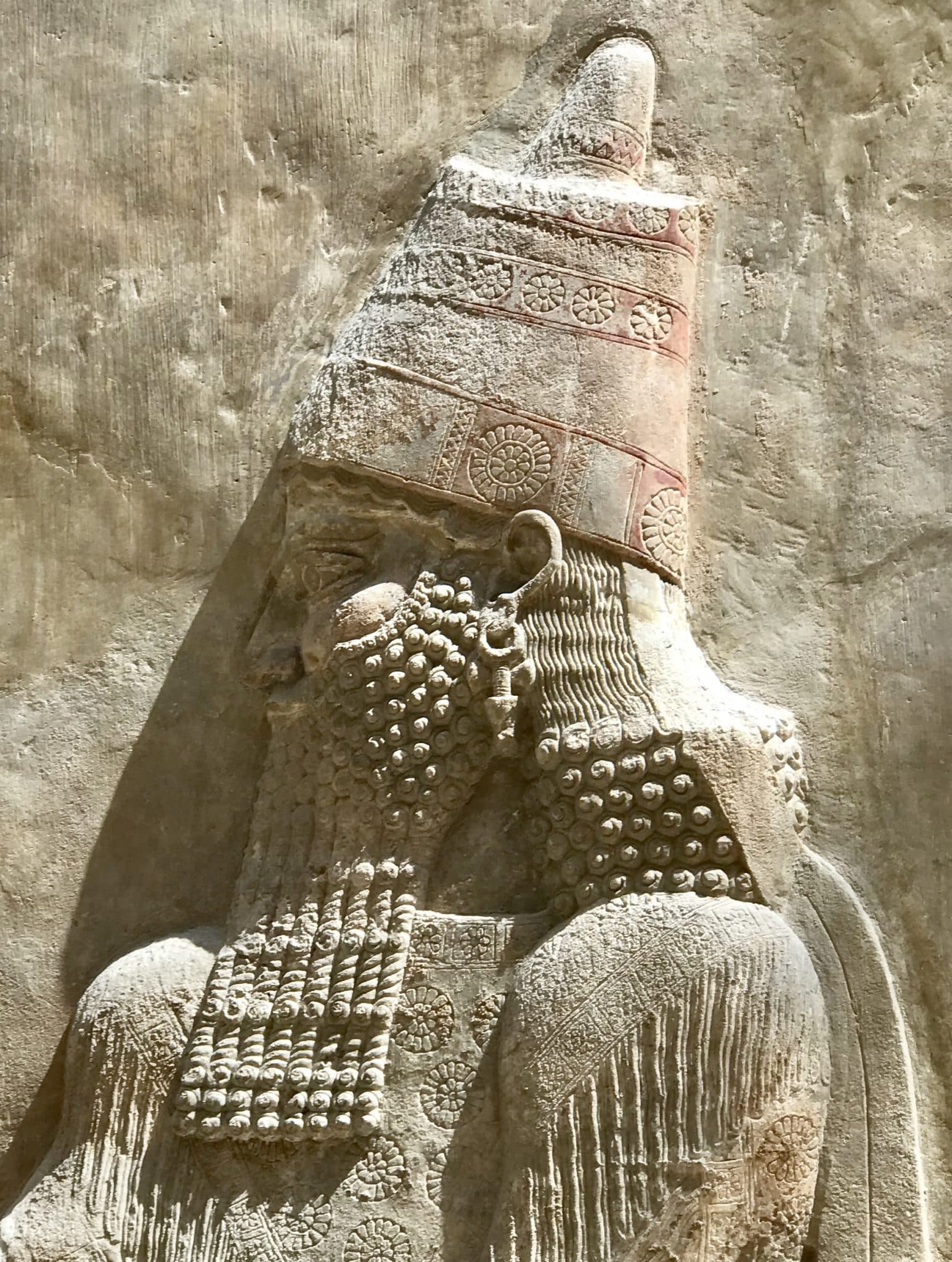
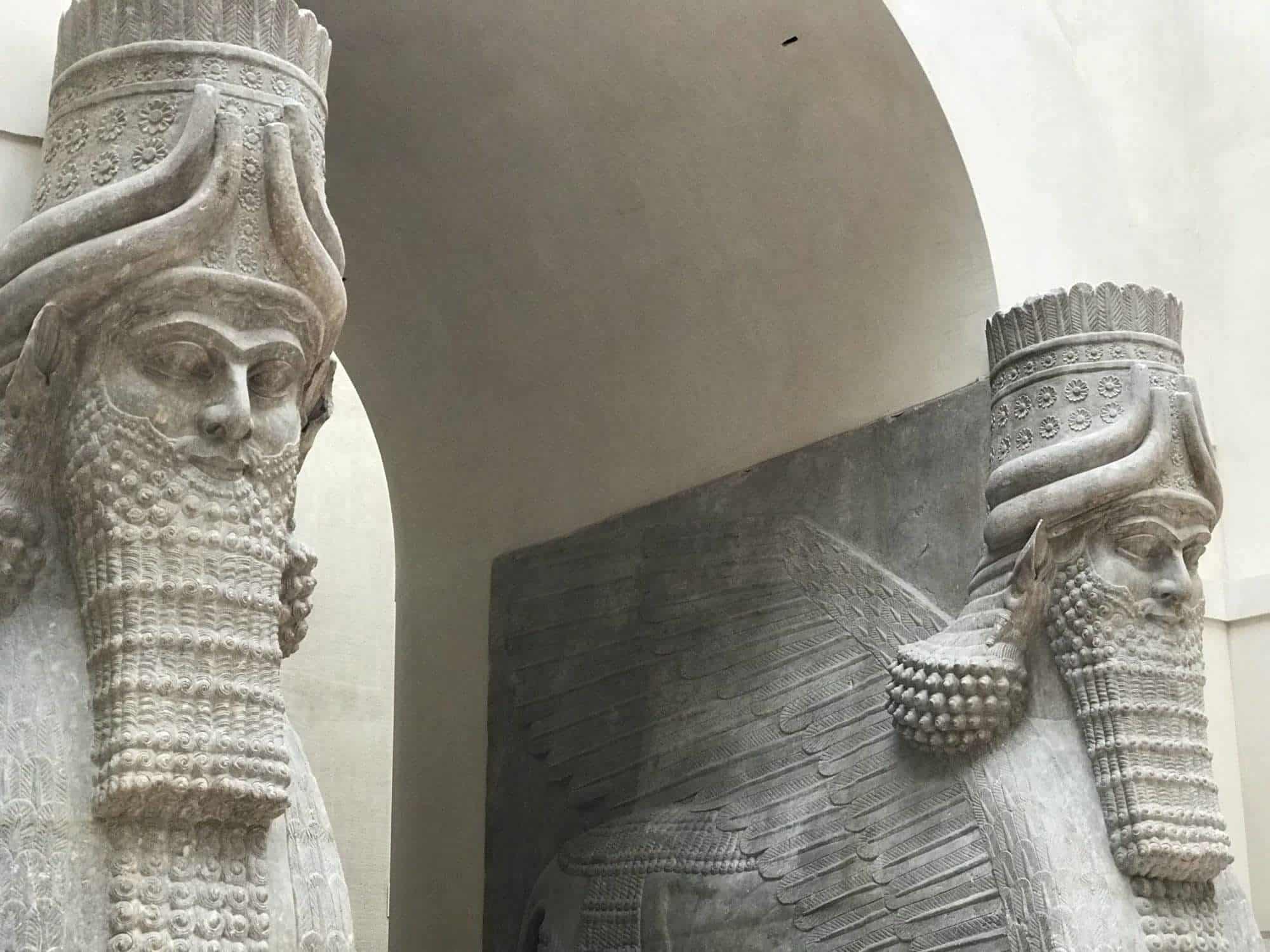
And what insights can be drawn from the remarkable monuments displayed in the Louvre’s Khorsabad Court, once part of the palace of an Assyrian king?
By examining these ancient objects within their historical context, we invite visitors to rediscover a world where archaeology and the Biblical narrative intersect.
What Do the Louvre’s Collections Reveal About the Divine Name, Jehovah (יהוה)?
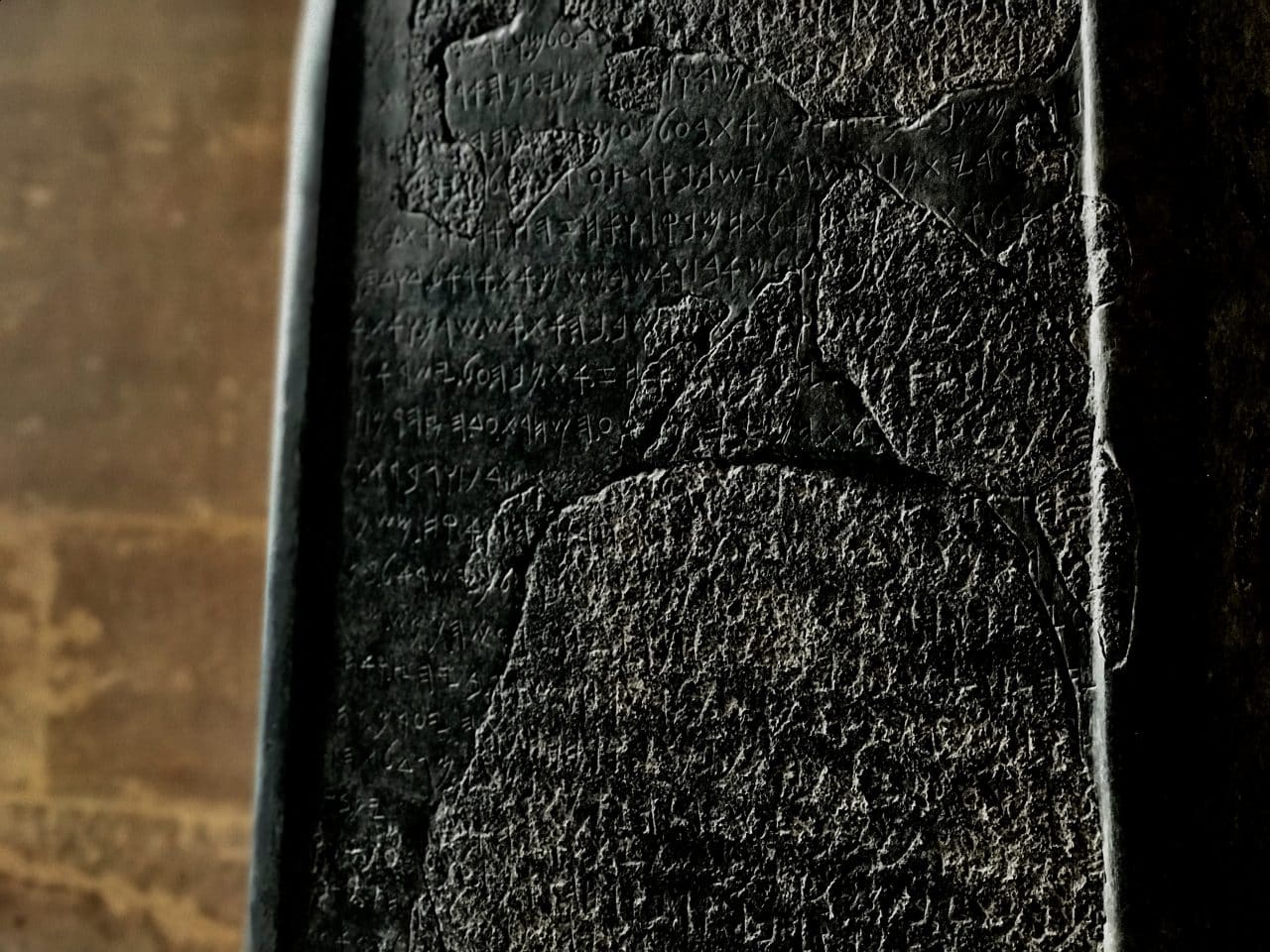
The divine name known as the Tetragrammaton—formed by the four Hebrew consonants יהוה—is one of the most intriguing elements of the Biblical tradition. Remarkably, this name has also survived outside the pages of the Bible.
A striking example can be found in a 3,000-year-old royal inscription preserved today in the collections of the Louvre. This ancient stele, originally erected in the Near East, bears one of the earliest known references connected to the divine name.
The survival of this inscription is remarkable. After its discovery in the nineteenth century, the monument was broken into numerous fragments. Pieces of the stone were scattered, and the inscription seemed destined to disappear.
And yet it did not.
Driven by determination, an archaeologist patiently tracked down the fragments. Piece by piece, the broken stone was partially reconstructed, allowing its ancient message to be read again.
How did this inscription survive despite such a fragmented history?
What does it reveal about the historical context surrounding the divine name?
And how does this archaeological discovery illuminate the Biblical narrative?
Exploring the Louvre’s collections offers a fascinating opportunity to examine how archaeology, ancient inscriptions, and the Biblical record intersect—shedding new light on one of the most significant names in religious history.
Rediscovering the World of the Bible
For centuries, the great cities of the ancient Near East—Babylon, Akkad, Uruk, Nineveh, Calah, and Ur—were little more than names preserved in ancient texts. Their ruins lay buried beneath the sands, their history largely forgotten.
It was only in the nineteenth century that archaeological excavations began to reveal their remains. One after another, these legendary cities emerged from the ground, offering a remarkable glimpse into civilizations that flourished thousands of years ago.
The Biblical record places many of its events within this very world. Its narrative leads us back to the end of the third millennium and the beginning of the second millennium BCE—a time when several of these cities were thriving centers of power and culture.
While the Bible was not written as a historical chronicle, it consistently situates people, kingdoms, and events within a precise historical setting.
Today, the collections of the Louvre—particularly those in the Department of Near Eastern Antiquities—preserve objects that silently testify to this ancient world.
Join us as we explore some of these remarkable artifacts. Seen within their historical and Biblical context, they become more than museum pieces: they are silent witnesses to a past that archaeology continues to rediscover.
Our aim is simple—to bring these evidences closer to you.
Deluxe in Person Private Tours
All Tours are given by appointment.
From 1 to 6 participants per group maximum.
If you are more than 6 participants, fill in a contact form.
All Tours are held by a professional licensed Conference Guide (JW).
Booking is not refundable.
Admission Tickets for Guided Tours
From January 14th 2026, new Louvre museum rules and pricing apply to guided tours.
We will provide tickets* for all visitors including those eligible for free admission along with the guided tour.
Invividual tickets are no longer valid for any guided tour.
You won’t be able to visit the Louvre before the guided tour begins unless you have purchased individual admission tickets for before the tour time (but these tickets do not apply to guided tours).
* See visitors eligible for free admission
See the museum rules related to guided tours
Rates
Deluxe Private Guided Tour for 1, 2, 3 or 4 participants :
220€ + Admission tickets (28€/participants unless you qualify for free admission*)
Deluxe Private Guided Tour for 5 participants
260€ + Admission tickets (28€/participants unless you qualify for free admission*)
Deluxe Private Guided Tour for 6 participants
300€ + Admission tickets (28€/participants unless you qualify for free admission*)
*Eligibility for free admission as part of a group visit:
- Youth under 18 years of age (all nationalities)
- Young people aged 18–25 who are residents or nationals of the European Economic Area
- Civilians with disabilities or war victims, as well as one accompanying person per individual (all nationalities)`
- Teachers, whether tenured, contract-based, or interns, working in primary and secondary schools under the Ministry of National Education or in private schools under contract with the Ministry (elementary, middle, and high schools), as well as accredited French schools abroad under the jurisdiction of the Agency for French Education Abroad (AEFE)
Tour information
Note : Audio/Video recordings are not permitted during the tour.
You will enjoy taking notes and read the related scriptures in your own copy of the Bible.
No dress code is required.
This tour lasts 2h and is available according to the schedule below.
In case of room or section closure by the Louvre Museum, the itinerary of your tour will be adapted.
To make your visit a success, read the Frequently Asked Questions.